Deployable protection isn’t a future problem. It’s a current requirement.
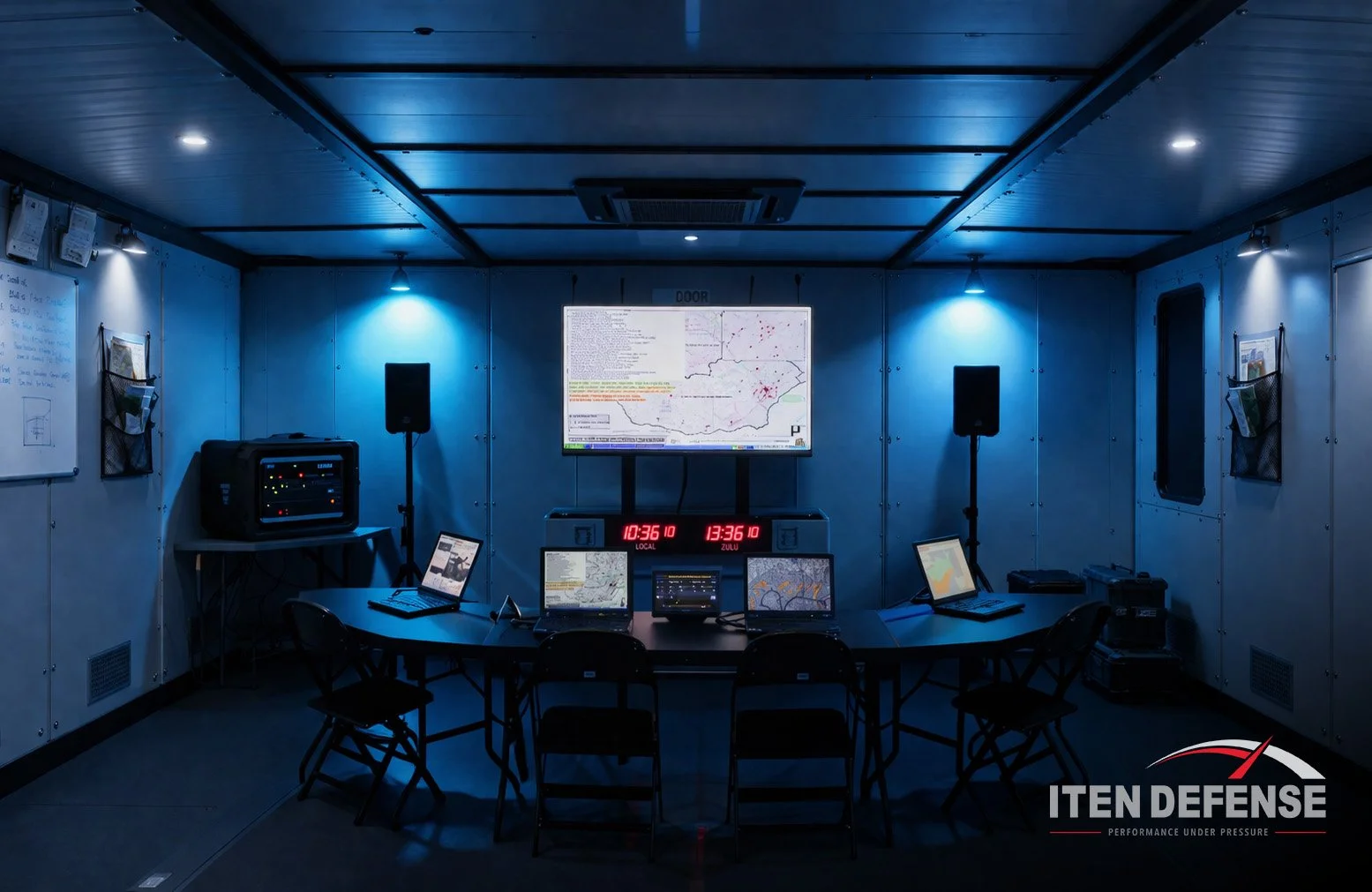
Deployable protection isn’t a future problem. It’s a current requirement.
Recent defense requirements are making one thing clear:
- Protection is no longer just about strength.
- It’s about speed, mobility, and integration.
Across both soft-wall and hard-wall shelter systems, the challenge is consistent:
- Traditional materials increase weight
- Weight limits deployability
- Deployment constraints limit adoption
At the same time, modern threat profiles are evolving and well understood:
- 5.56 / 7.62 ballistic threats
- Fragmentation and blast exposure
- Drone and UAS-delivered threats from above
The gap isn’t in defining the problem. It’s in delivering protection that can actually be fielded, without slowing everything else down.
We’ve been working on lightweight ballistic and spall-mitigation materials designed to integrate into modular, containerized, and deployable shelter systems, without the penalties typically associated with steel or concrete.
The opportunity isn’t replacing existing systems. It’s improving them.
- Interior ballistic liners
- Modular armor paneling
- Hybrid protection systems
Overhead and multi-angle protection for emerging drone threats
All while maintaining mobility and realistic deployment timelines.
We’re currently exploring this space more deeply and looking to collaborate with manufacturers and integrators working on:
- Deployable shelter systems
- Containerized command centers
- Modular infrastructure
- Counter-UAS and drone protection integration
If you’re actively building in this space, we’d welcome the conversation.